Marks of Divinity My Lecturer Art Show
Location and Working Hours
Iwalewa Gallery of Arts, Lagos Open Daily 11:00 - 18:00 Closed on weekendsCurators
Iwalewa Gallery of Arts & Ògíríkán Art GalleryWebsite
https://mlas.com.ngMarks of Divinity
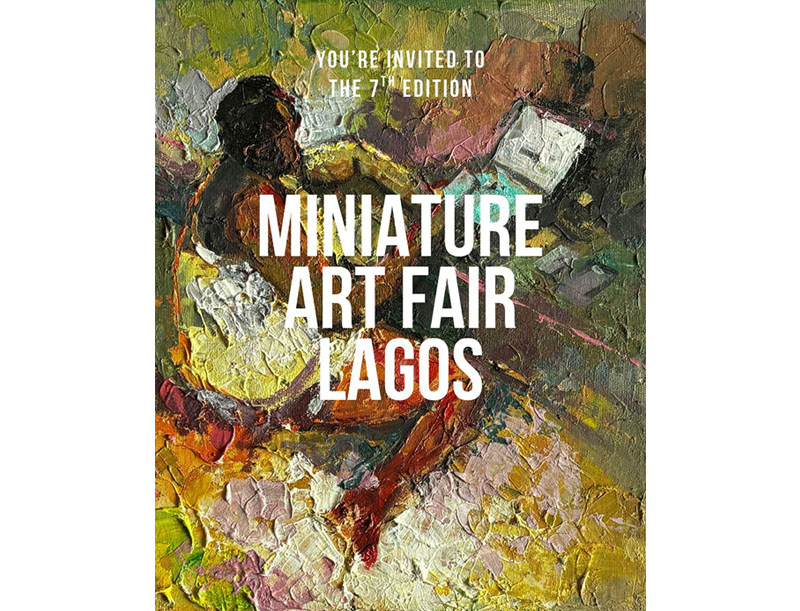
This cycle of MLAS ( My Lecturer Art Show), titled “Marks of divinity” features the dynamic duo of Dr. Kenneth Njoku ( Sculptor) and Dr. Wale Ajayi ( Painter).
Both artists are erudite scholars, dedicated educators and profound artists with a fluent visual language of communications and interpretations in their choices of subject matters.
Marks of divinity is a reflection of the imprints of spirituality, faith and emotional connections on human existence reinforcing cultural identities and forged memories, in symbols of our everyday encounters.
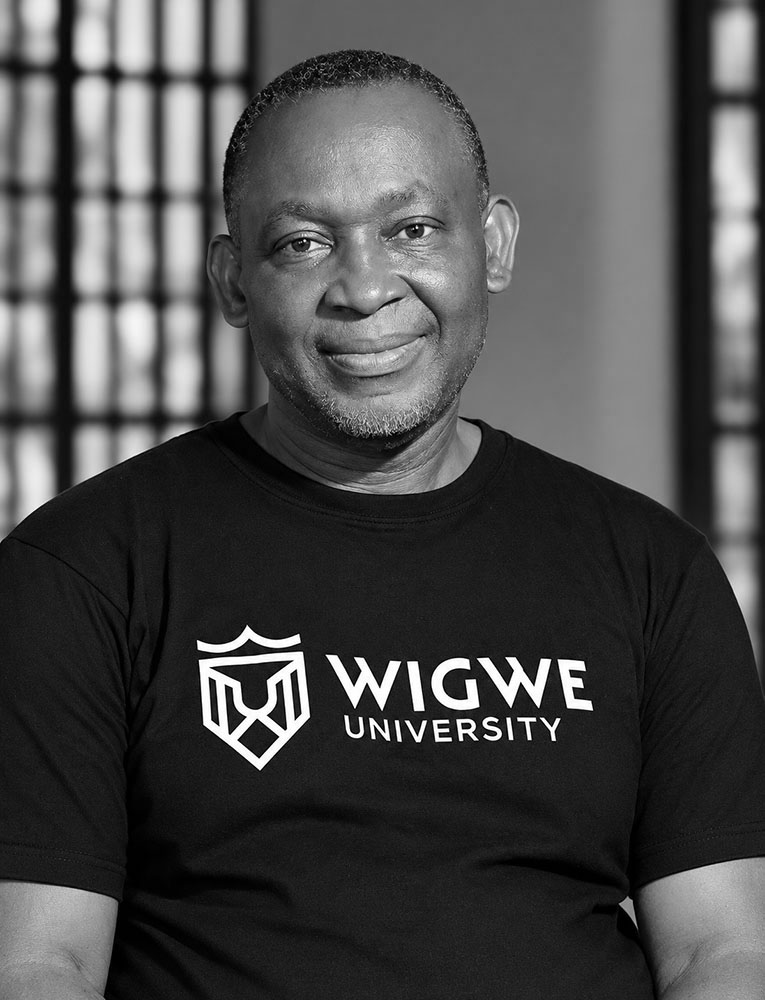
Dr. Kenneth I. Njoku
Sculptor | Scholar | Innovator
About the Artist
Dr. Kenneth I. Njoku is a Senior Lecturer and Head of the Department of Arts and Design, Wigwe University, Isiokpo, Rivers State. He is a prolific and well-exhibited artist. Njoku became the first Nigerian to obtain a PhD in Sculpture (Studio Art) from Delta State University, Abraka, in 2015. He obtained a Master of Fine Arts (MFA) and a Bachelor of Arts (B.A. Hons.) in Sculpture from the University of Benin, Benin City, in 2003 and 1996 respectively.
In 1997, he won the Edo State Government Award of Excellence. He lectured at the F.C.E. (T) Akoka, Lagos, until 2005. He also taught sculpture at the University of Benin, Benin City, until 2004.
Njoku has published in reputable journals both locally and internationally. As a seasoned bronze sculptor, he has greatly improved the lost-wax cast technique in contemporary Benin bronze casting. Remarkably, Njoku has improved the spruing methods and brought about innovation in the area of finishing (patina) of bronzes. He has introduced Styrofoam as an alternative to the use of wax in the “spruing process” of bronze casting. His latest exploration is on ‘kinetics’, an exercise that will induce actual movement as a complement to ‘statics’ in contemporary Nigerian sculpture practice.
His inspiration and references are drawn from cultural elements, especially Nigerian-Igbo folklore, masquerade traditions, songs, sayings, and the Uri/Edeala body adornment.
His works have enjoyed corporate and private collections within Nigeria and abroad. Njoku is the founder and coordinator of the University of Benin Trained Visual Artists. He is a Fellow of the Society of Nigerian Artists, a member of the Sculptors Association of Nigeria (ScAN) and of the Visual Arts Society of Nigeria.
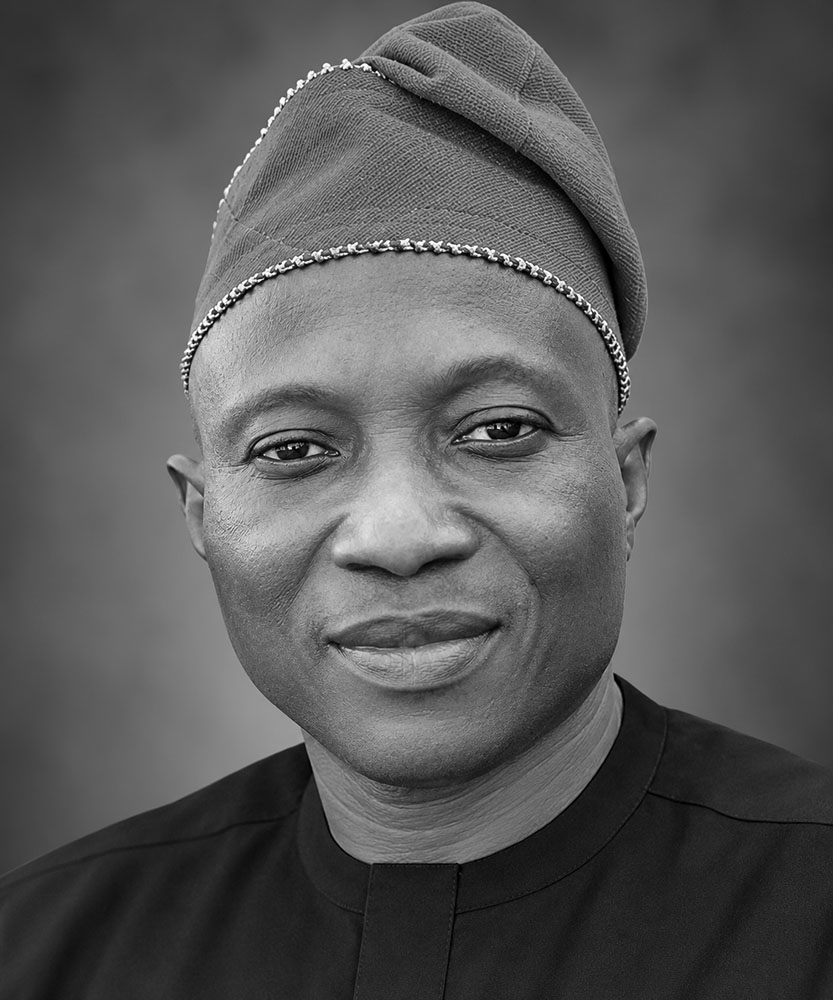
Dr. Wale Ajayi
Painter | Educator | Visual Storyteller
About the Artist
Dr. Wale Ajayi is a distinguished Nigerian painter, educator, and art scholar whose career spans more than three decades of creative practice, teaching, and research. A product of the renowned Zaria School, he obtained his Bachelor of Arts in Fine Arts in 1990, Master of Fine Arts in Painting in 1998, and Doctor of Philosophy in Painting in 2015 from Ahmadu Bello University, Zaria.
Ajayi’s paintings are recognized for their expressive figurative language and their engagement with human experience, social realities, and psychological reflection. His work often investigates the complex relationship between the conscious, subconscious, and unconscious dimensions of life, presenting narratives that explore aspiration, struggle, migration, identity, and the unseen forces that shape human destiny.
As an educator, Ajayi has served in several leadership positions within higher education, including Head of Department and Dean, while mentoring generations of young artists. Beyond academia, he has participated in numerous exhibitions within Nigeria and internationally,
earning recognition for a practice that combines intellectual depth with strong visual expression.
He is a member of professional bodies including the Society of Nigerian Artists (SNA) and the International Society for Education Through Art (INSEA). Ajayi’s work demonstrates a sustained commitment to exploring the human condition through painting, creating images that are at once personal, philosophical, and universally resonant.
His current body of work explores “òrò,” the Yoruba concept of word or utterance, examining language as a transformative force through which thought, memory, imagination, and the invisible acquire visual presence.